


What are aerated bricks made of? Revealing the core mystery of environmentally friendly building materials
Current situation and opportunities of solid waste resource utilization
China's bulk industrial solid waste production is huge and the types are concentrated, mainly including tailings, fly ash, coal ore, smelting slag, furnace slag, etc., of which tailings account for the highest proportion, close to 30% of the total. The comprehensive utilization of these industrial solid wastes has become an important national environmental policy direction, and has gained a series of supportive policies and regulations to promote.
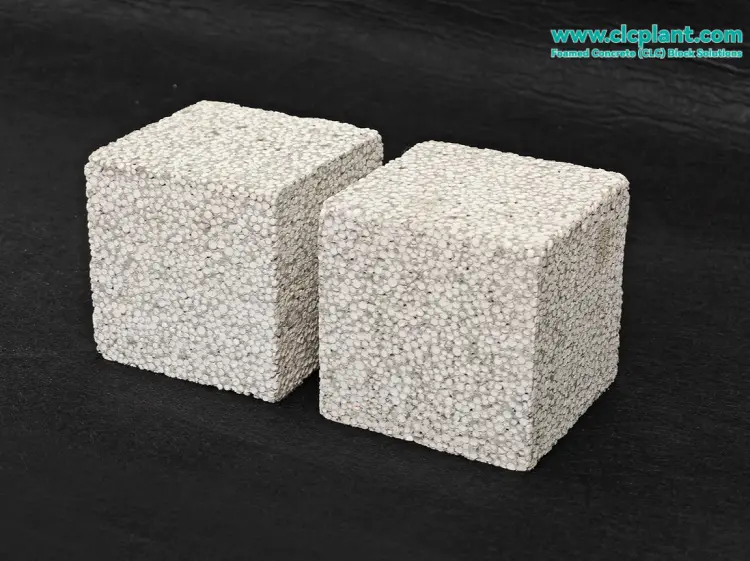
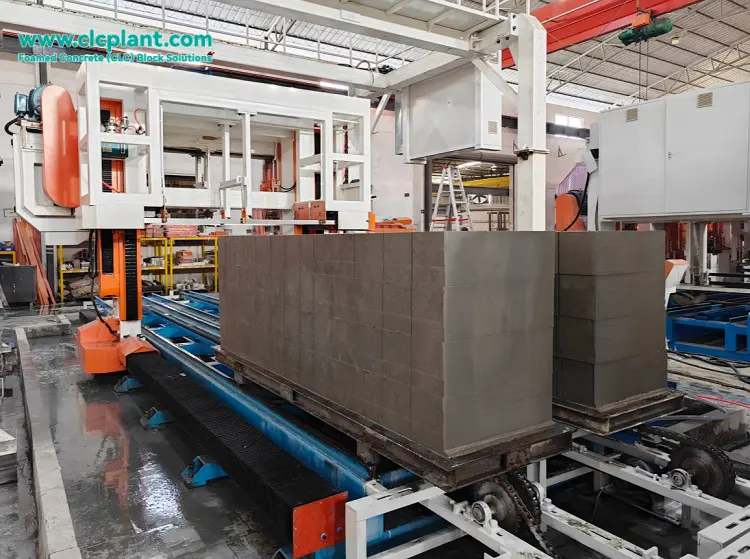
Aerated bricks of the two production processes
At present, aerated bricks are mainly divided into two production processes: autoclaved and non-autoclaved, both in the use of raw materials to make a difference.
Traditional aerated brick material composition
Ordinary aerated bricks with siliceous and calcareous materials as the main raw material, with metal aluminum powder as the gas generator, after burning, static preservation, cutting, autoclaving maintenance and other processes, and ultimately made of porous lightweight concrete blocks.
New environmentally friendly aerated brick material innovation
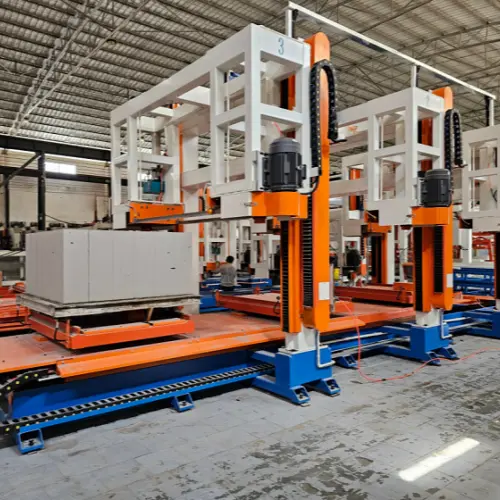
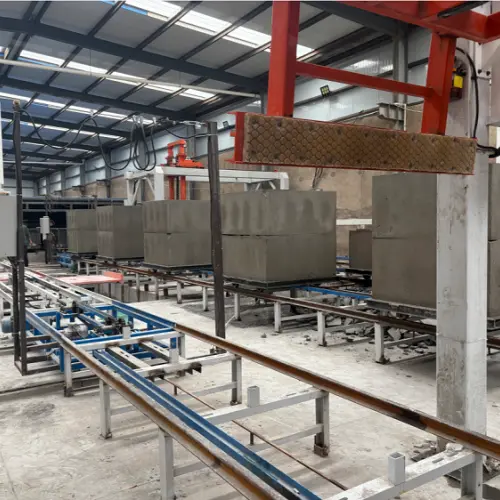
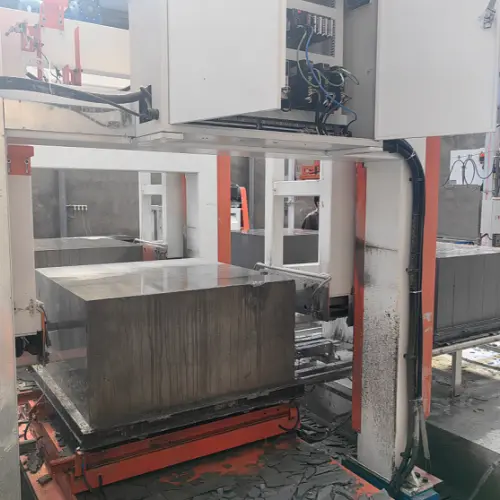
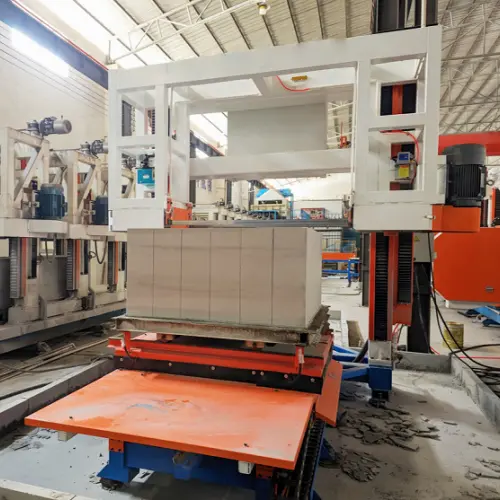
The CLC aerated brick equipment adopted by our company innovatively utilizes one or more kinds of industrial solid wastes such as fly ash, cinder, coal gangue, tailing slag, sand, etc. as the main raw materials, and produces lightweight and environmentally friendly new wall materials through non-autoclaved environmentally friendly way, combined with cement pouring process.
Main raw materials
1. Fly ash
Fly ash is the main solid waste discharged from coal-fired power plants and belongs to volcanic ash industrial raw materials. Its physical properties are shown as:
-
The particles are mostly spherical with smooth surface
-
Accumulation density: 1590~2400kg/m³.
-
Loose packing density: 550~800kg/m³.
According to the requirements of the national standard "Fly ash used in cement and concrete" (GB1596-2005), fly ash can be divided into three grades: Grade I, Grade II and Grade III.
Technical Advantage:
Adding fly ash in concrete can:
-
Save the amount of cement and coarse weight material
-
Reduce water consumption
-
Improve the stability and pumpability of concrete
-
Reduce heat of hydration and thermal expansion
-
Improve impermeability of concrete
-
Enhance the finishing of concrete
2. Slag powder
Slag powder is also known as granulated blast furnace slag powder, the national standard "Granulated Blast Furnace Slag Powder Used in Cement and Concrete" (GB/T18736-2008) formally named as "mineral admixture", divided into S105 grade, S95 grade, S75 grade, or Ⅰ, Ⅱ, Ⅲ grade.
Technical advantage:
Mineral powder can replace part of cement in equal amount and mix into concrete, which can significantly:
-
Improve the workability of concrete
-
Optimize the setting time
-
Improve the strength
-
Enhance the durability of concrete
3. Tailings resources
Tailings are the waste slag slag discharged after the completion of mineral processing in mining enterprises, including iron tailings, copper tailings, non-ferrous metal tailings and so on. Under the national policy of resource recycling, the comprehensive utilization of tailings is receiving more and more attention.
4. Sand and stone powder
The main difference between stone powder and natural sand is that the sources are different: stone powder is an artificial processing product, while natural sand is naturally formed. Simple identification method is to grab a handful of sand, if there is white limestone powder on the hand, it can be judged to contain stone powder.
5. Construction waste
Includes solid waste generated from building demolition, such as waste bricks, concrete components, etc., which can be a source of raw materials for the production of aerated bricks.
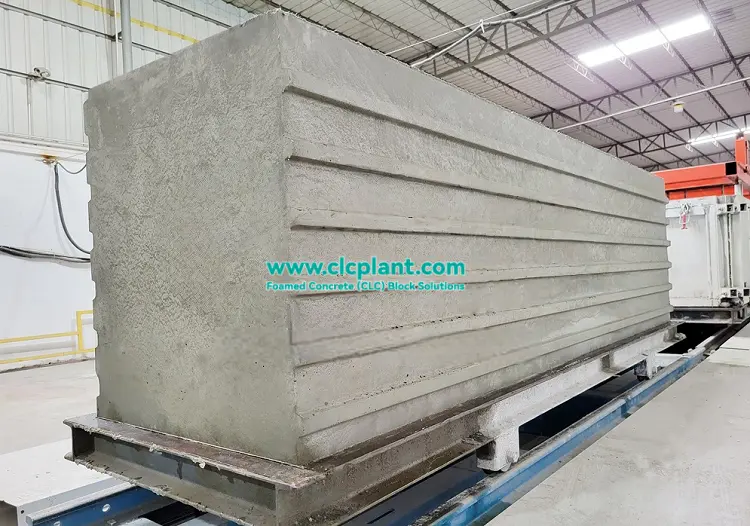
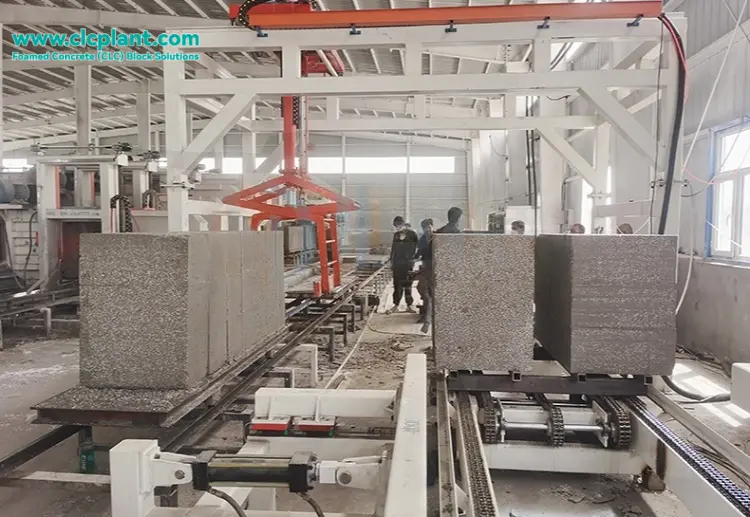
Strategic significance of green development
In the era of vigorously developing green building materials and green buildings, promoting the comprehensive utilization of industrial solid waste in new wall materials has become an important part of promoting the green transformation of the building materials industry. Through technological innovation, industrial solid waste is transformed into high-value building materials, which not only solves the environmental problems, but also provides a sustainable development solution for the building industry.
Our company is committed to the research and development and promotion of solid waste resource utilization technology, to provide customers with advanced aerated brick production equipment and technical support, and jointly promote the construction industry to a more environmentally friendly and efficient direction. Choosing our technology and equipment is choosing to walk with the green future.